
Best Winter Destinations in Canada
Canada is one of the world’s premier winter travel destinations,…
Canada is one of the world’s premier winter travel destinations, offering everything from world-class ski resorts to aurora-viewing in the far north to storybook-frozen cities. With a country this large, though, “winter in Canada” means very different things depending on where you go — the mountains of British Columbia and Alberta, the historic charm of Quebec, and the remote north each offer a distinct kind of cold-weather trip.
Here’s a breakdown of the best winter destinations across the country and what makes each one worth visiting.
Table of Contents
The Canadian Rockies: Banff and Whistler
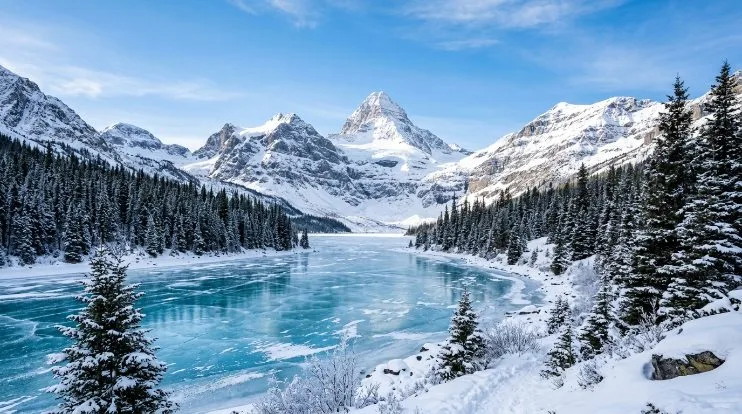
British Columbia and Alberta are home to Canada’s most iconic mountain scenery, and winter is arguably when they look their best — snow-capped peaks, frozen turquoise lakes, and some of North America’s top ski terrain.
Skiing and Snowboarding in Whistler Blackcomb
Whistler Blackcomb, roughly two hours north of Vancouver, is consistently ranked among North America’s largest and best-rated ski resorts, with over 8,000 acres of terrain across two connected mountains. Beyond skiing, the village offers snowshoeing, ice skating, and a lively après-ski scene, making it a strong option even for travelers who aren’t hitting the slopes every day.
Ice Walks and Hot Springs in Banff National Park
Banff National Park transforms in winter, with Lake Louise and Moraine Lake freezing into striking ice formations and the Banff Gondola offering snow-covered mountain views. The Johnston Canyon ice walk, where frozen waterfalls form dramatic blue-tinted ice pillars, is one of the park’s most popular winter activities, and the Banff Upper Hot Springs provide a relaxing way to warm up afterward.
Quebec City and Montreal: Historic Winter Charm
Quebec’s French colonial architecture and cobblestone streets take on a distinctly European, storybook feel under snow, making the province a favorite for travelers who want winter atmosphere without a full mountain trip.
Quebec City’s Winter Carnival and Old Town
Quebec Winter Carnival (Carnaval de Québec), typically held in late January through mid-February, is one of the largest winter festivals in the world, featuring ice sculptures, night parades, and the iconic ice palace. Even outside carnival dates, walking through Old Quebec’s snow-covered streets and staying near the Château Frontenac offers a distinctly historic winter experience found nowhere else in North America.
Montreal’s Underground City and Winter Festivals
Montreal’s RÉSO underground city — a network of tunnels connecting shops, restaurants, and metro stations — is a practical way to explore the city comfortably when temperatures drop well below freezing. Above ground, events like Igloofest (an outdoor winter music festival) and Montreal en Lumière add to the city’s reputation for embracing rather than hiding from its cold winters.
Northern Canada: Yukon and Northwest Territories for Aurora Viewing
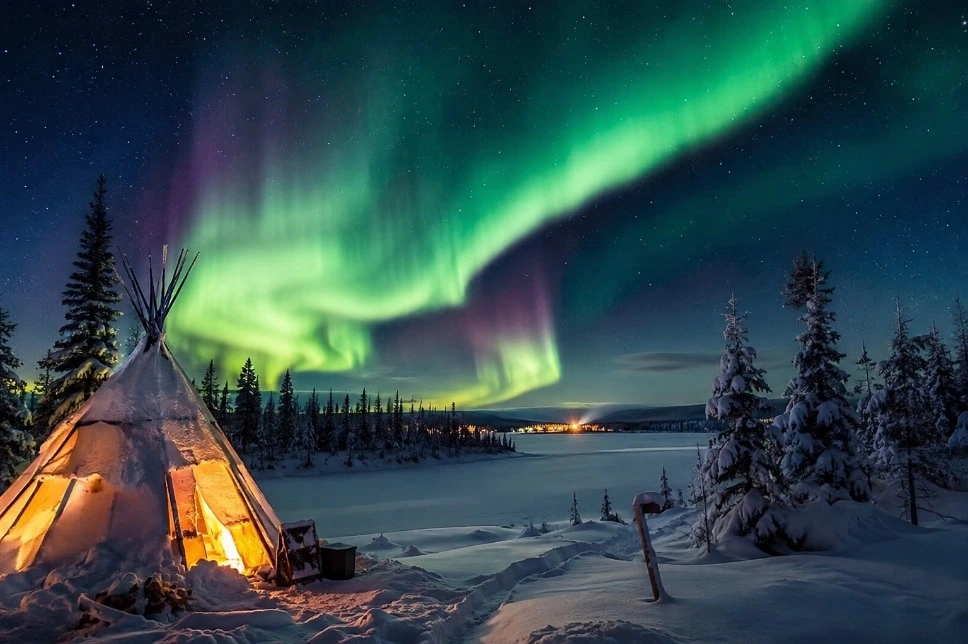
For travelers chasing the northern lights specifically, Canada’s north offers some of the most reliable aurora viewing in the world, thanks to its position under the auroral oval and long, clear winter nights.
Best Spots for Northern Lights in Yellowknife
Yellowknife, Northwest Territories, is widely regarded as one of the best places on Earth to see the aurora borealis, with an average of over 240 nights of visible aurora activity per year due to its dry climate and northern latitude. Dedicated aurora-viewing lodges outside the city, away from light pollution, offer heated viewing areas and significantly improve the odds of a clear sighting.
Dog Sledding and Ice Fishing in the Yukon
The Yukon combines aurora viewing with classic northern activities like dog sledding through boreal forest and ice fishing on frozen lakes near Whitehorse. Winter also brings shorter but strikingly colorful daylight hours, and the region’s isolation means significantly less light pollution than more populated parts of the country, further improving aurora visibility.