
Best European Countries to Visit in Winter
Planning a seasonal getaway offers a unique chance to experience…
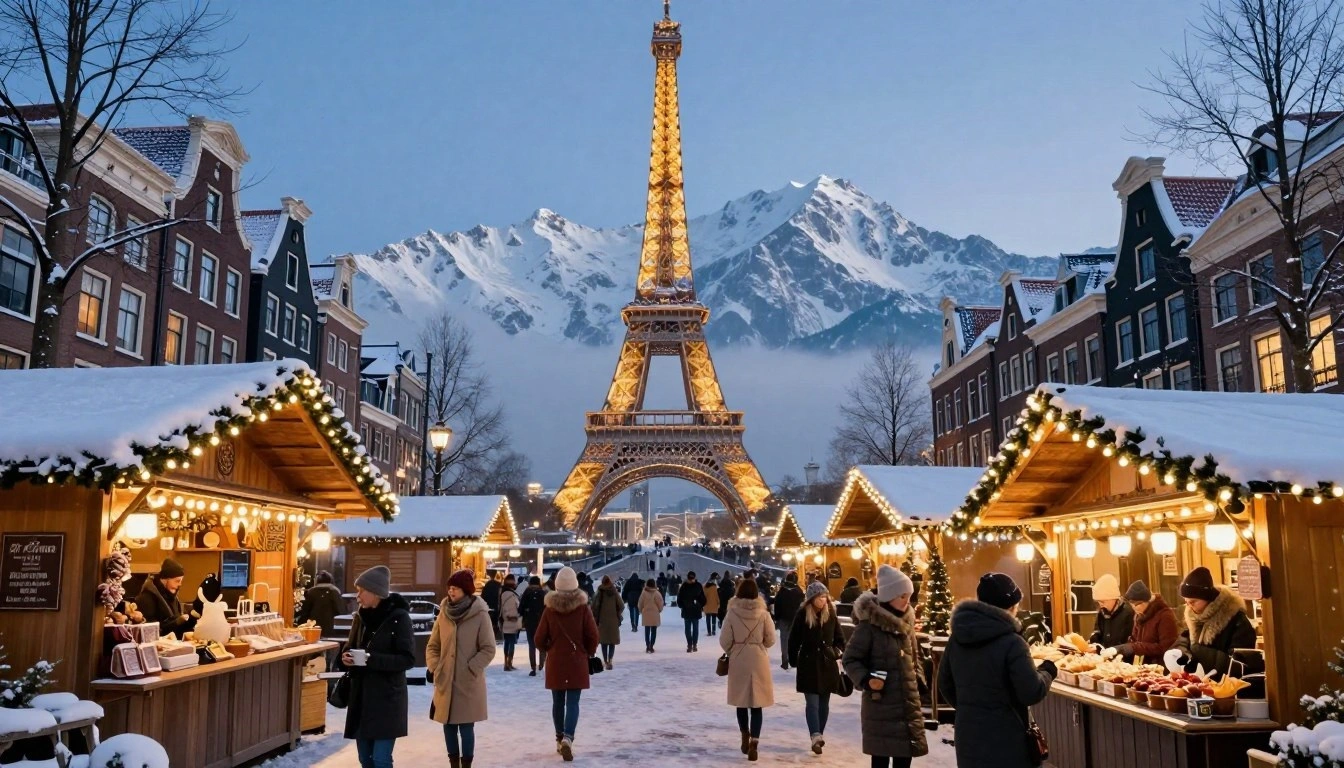
Planning a seasonal getaway offers a unique chance to experience the continent from a fresh perspective. Whether you crave snowy adventures or prefer milder cultural escapes, the options are truly endless.
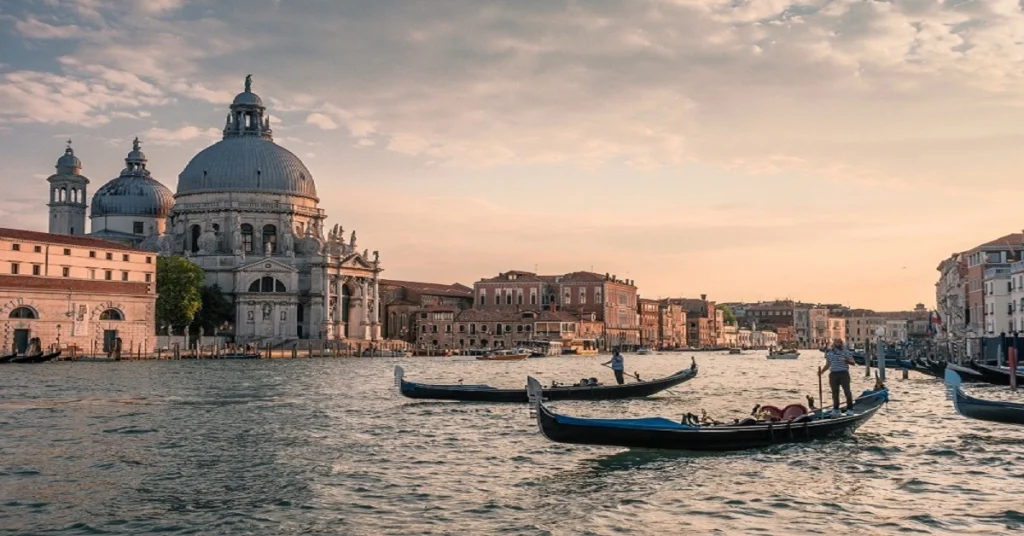
Northern regions like Norway, Finland, and Iceland provide magical opportunities for those chasing the northern lights. If you are a fan of slopes, Austria and Switzerland remain top choices for mountain lovers seeking world-class skiing. Alternatively, Germany and Italy offer charming markets, historic architecture, and exceptional local cuisine. These spots are perfect for travellers who enjoy quieter sightseeing away from the summer crowds. Before you book, consider practical factors such as daylight hours, transport links, and seasonal opening times to ensure a smooth journey.
How to Choose a European Winter Holiday
From the icy reaches of the Arctic to the sun-drenched Mediterranean, Europe transforms beautifully when the temperature drops. Planning European winter holidays requires a clear vision of whether you prefer active adventures or relaxed cultural exploration.
Snowy landscapes, festive cities and milder escapes
If you dream of snowy landscapes Europe has to offer, northern regions like Scandinavia provide the ultimate winter wonderland. Conversely, those seeking a break from the frost can head south to the Mediterranean, where the climate remains mild and pleasant. You might also choose a festive city break, where historic capitals come alive with lights and seasonal cheer.
Matching destinations to skiing, northern lights and cultural interests
Your choice of destination should align with your primary travel goals. For thrill-seekers, the Alps offer world-class skiing, while the far north is the premier spot for witnessing the northern lights. If you prefer a slower pace, southern cities provide rich history and art without the summer crowds.
Understanding daylight, temperatures and seasonal weather
It is vital to consider how European winter weather impacts your daily itinerary. Northern destinations experience very short daylight hours, which can limit outdoor sightseeing time. In contrast, southern Europe enjoys longer days and milder temperatures, making it easier to explore on foot.
Balancing Christmas markets, winter sports and quieter travel
Timing is everything when planning your winter travel Europe adventure. Christmas markets are at their peak in December, but this period often brings larger crowds and higher prices. If you prefer a quieter experience, consider visiting in late January or February when the festive rush has subsided.
| Destination Type | Best For | Typical Weather |
| Arctic North | Northern Lights & Huskies | Very Cold & Snowy |
| Alpine Resorts | Skiing & Snowboarding | Cold & Reliable Snow |
| Central Cities | Christmas Markets | Chilly & Festive |
| Mediterranean | Culture & Sightseeing | Mild & Variable |
Best European Countries to Visit in Winter: Norway
Embarking on a Norway winter holiday provides travellers with a unique chance to witness the Arctic at its most dramatic. This Scandinavian gem offers a perfect blend of modern city life and raw, untamed wilderness that feels worlds away from the ordinary.
Experience the northern lights in Tromsø and the Lofoten Islands
For those chasing the Northern Lights Europe has to offer, the northern reaches of Norway are essential stops. Tromsø serves as a vibrant hub for aurora hunters, while the Lofoten Islands provide a stunning backdrop of jagged peaks rising from the sea.
“The Arctic night is not a time of darkness, but a canvas for the most spectacular light show on the planet.”
Combine Oslo’s museums with fjord scenery and winter activities
Start your journey in Oslo, where you can explore world-class museums like the Fram Museum or the Munch Museum. Once you have soaked up the culture, head towards the western fjords to witness snow-capped cliffs reflecting in icy waters. This combination of urban sophistication and natural grandeur is what makes a trip here so special.
Try dog sledding, snowshoeing and cross-country skiing
Active travellers will find plenty to keep them busy in the crisp mountain air. You can glide through silent forests on cross-country skis or feel the rush of wind while dog sledding across a frozen plateau. Snowshoeing is another fantastic way to explore hidden trails that are otherwise inaccessible during the deeper winter months.
| Activity | Difficulty | Best Location |
| Dog Sledding | Moderate | Tromsø |
| Cross-country Skiing | Easy to Hard | Oslo/Lillehammer |
| Northern Lights Tour | Easy | Lofoten Islands |
What to expect from prices, transport and limited daylight
It is important to keep in mind that a Norway winter holiday can be quite expensive, especially regarding dining and accommodation. Transport is generally reliable, though you should prepare for potential delays caused by heavy snowfall in remote areas. Finally, remember that daylight hours are very limited in the north, so plan your outdoor excursions for the brief midday window to make the most of your time.
Finland for Lapland Adventures and Cosy Winter Experiences
A Lapland winter holiday provides an unforgettable journey into the heart of the Arctic circle. This region captures the imagination of travellers who dream of pristine white forests and silent, frozen lakes. It is truly one of the most enchanting places to visit during the colder months.
Meet reindeer and explore the snowy landscapes around Rovaniemi
Rovaniemi serves as the gateway to the Arctic, offering visitors a chance to connect with local traditions. You can spend your days meeting reindeer on local farms or taking a gentle sleigh ride through the woods. These snowy landscapes in Europe create a backdrop that feels like stepping directly into a fairy tale.
Stay in a glass igloo or a traditional Finnish cabin
Finding the perfect place to rest is part of the magic of Finland winter travel. Many visitors choose to stay in glass igloos, which allow you to watch the night sky from the comfort of a warm bed. Alternatively, a traditional wooden cabin provides a rustic and cosy atmosphere, often complete with a roaring fireplace.
“The silence of the Arctic winter is not empty; it is full of the quiet magic of the northern lights and the soft crunch of snow underfoot.”
Enjoy husky safaris, snowmobiling and cross-country skiing
For those seeking an adrenaline rush, the wilderness offers endless opportunities for adventure. Husky safaris are a highlight, letting you glide through the forest behind a team of energetic dogs. You might also prefer the speed of a snowmobile or the rhythmic pace of cross-country skiing across frozen terrain.
| Activity | Intensity Level | Best For |
| Husky Safari | Moderate | Nature Lovers |
| Snowmobiling | High | Thrill Seekers |
| Cross-country Skiing | Moderate | Active Explorers |
Relax in a sauna after a day in the Arctic cold
No trip to this northern nation is complete without experiencing the local sauna culture. After spending hours in the crisp Arctic air, the intense heat of a wooden sauna feels incredibly restorative. It is a culturally significant tradition that helps you warm up and reflect on your daily adventures.
Iceland for Dramatic Scenery and the Northern Lights
Visiting Iceland during the colder months reveals a raw, untamed beauty that is unlike anywhere else in Europe. The island transforms into a stunning wonderland where fire and ice collide in spectacular fashion. For those planning Iceland winter travel, the landscape offers a unique mix of adventure and serenity.
Exploring the raw beauty of waterfalls and volcanic shores
Winter brings a dramatic edge to Iceland’s famous natural landmarks. You can witness massive waterfalls like Skógafoss partially frozen, creating a surreal sight against the dark basalt cliffs. The iconic black-sand beaches, such as Reynisfjara, look particularly moody and impressive under the low winter sun.
Chasing the aurora borealis across the island
Iceland is widely considered one of the best places to see the Northern Lights Europe has to offer. While Reykjavík provides easy access to tours, staying in a rural countryside base often yields better results due to lower light pollution. You will find that clear, crisp nights provide the perfect canvas for this celestial display.
Finding warmth in geothermal waters
When the Arctic wind bites, there is no better remedy than soaking in a natural hot spring. The Blue Lagoon remains a popular choice, but you can also discover hidden gems in the countryside. These geothermal pools are essential for anyone looking to enjoy winter activities Europe has to offer while staying perfectly warm.
Essential safety tips for winter exploration
Planning is vital because the weather can change in an instant. You must account for very short daylight hours and strong winds that often impact travel. If you choose to drive, ensure you are comfortable with icy road conditions and always check local weather reports before heading out.
| Activity | Best Location | Difficulty Level |
| Northern Lights Viewing | Rural Countryside | Moderate |
| Geothermal Bathing | Blue Lagoon/Local Pools | Easy |
| Waterfall Sightseeing | South Coast | Easy |
| Glacier Hiking | Vatnajökull | Advanced |
Austria for Alpine Villages, Skiing and Christmas Markets
If you are dreaming of a winter escape that balances high-octane sports with refined city culture, Austria winter holidays are your ideal destination. This country offers a unique blend of dramatic Alpine scenery and dependable winter activities that cater to every type of traveller. Whether you seek the thrill of the slopes or the warmth of a historic tavern, you will find it here.
Choose between Vienna’s festive attractions and Salzburg’s historic charm
Vienna transforms into a wonderland during the colder months, boasting some of the most iconic Christmas markets Europe has to offer. You can wander through the Rathausplatz, sipping warm punch while surrounded by imperial architecture. It is a truly magical experience that defines the festive spirit of the region.
In contrast, Salzburg provides a more intimate, historic charm nestled against the backdrop of the mountains. The city’s narrow streets and baroque squares feel like a scene from a classic winter fairy tale.
“The mountains are calling and I must go,” wrote John Muir, a sentiment that perfectly captures the allure of the Austrian landscape.
Find ski resorts for beginners, families and experienced skiers
When it comes to skiing in Europe, Austria provides an incredible variety of terrain. Beginners will appreciate the gentle, wide slopes found in resorts like Serfaus-Fiss-Ladis, which are specifically designed for families. These areas offer excellent ski schools and safe environments for children to learn.
Experienced skiers often head to the Arlberg region, home to St. Anton, known for its challenging off-piste runs and vibrant après-ski scene. No matter your skill level, you will find a resort that matches your pace and ambition. The infrastructure is world-class, ensuring that your time on the snow is both safe and exhilarating.
Explore Innsbruck for city breaks with mountain access
Innsbruck is a rare gem that allows you to combine a vibrant city break with immediate mountain access. You can spend your morning exploring the historic Old Town and your afternoon standing on a glacier peak. The Nordkette cable car whisks you from the city centre to the high alpine terrain in just twenty minutes.
Enjoy Austrian food, classical music and traditional winter celebrations
Beyond the slopes, the country offers a rich cultural tapestry that makes Austria winter holidays truly memorable. You can indulge in hearty local dishes like Wiener Schnitzel or warm up with a slice of Sachertorte in a traditional coffee house. The culinary scene is a comforting highlight of any winter trip.
Music lovers should not miss the chance to attend a classical concert in one of the historic palaces. Traditional celebrations, such as the Krampus parades, provide a fascinating glimpse into local folklore. These experiences ensure that your holiday is filled with more than just physical activity, offering a deep connection to Austrian heritage.
Switzerland for Scenic Rail Journeys and Mountain Resorts
Switzerland is the ultimate choice for travellers who appreciate efficiency, breathtaking scenery, and world-class mountain resorts. Switzerland winter travel offers a unique blend of high-altitude adventure and the comfort of legendary rail networks. It is a destination where the journey is just as memorable as the arrival.
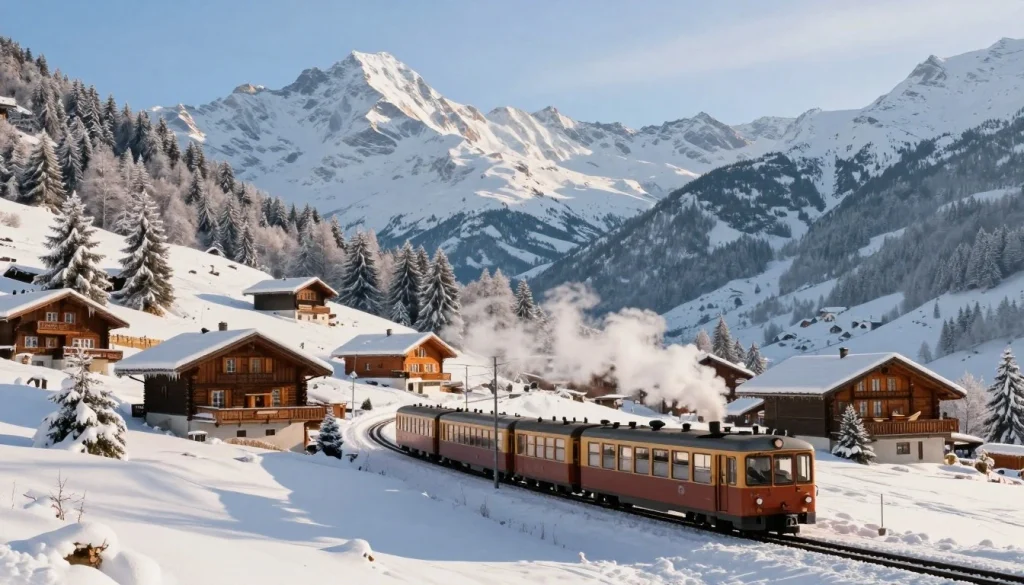
Travel through snowy landscapes on the Glacier Express and other scenic trains
One of the best ways to experience the country is by rail. The Glacier Express provides a slow, panoramic journey through the heart of the Alps, connecting Zermatt and St Moritz. You can watch snow-covered peaks and frozen valleys pass by from the comfort of a heated carriage.
These trains are perfect for those who prefer to avoid driving on icy mountain roads. The Swiss rail system is incredibly reliable, ensuring you reach your destination safely and on time. It remains a highlight for anyone planning European winter holidays.
Compare Zermatt, St Moritz and Grindelwald for winter activities
Choosing the right base depends on your preferred pace and style of activity. Each resort offers a distinct atmosphere for winter sports enthusiasts.
| Resort | Best For | Vibe |
| Zermatt | Skiing & Matterhorn views | Car-free & upscale |
| St Moritz | Luxury & winter sports | Glamorous & historic |
| Grindelwald | Family fun & hiking | Cosy & traditional |
Visit Lucerne and Zürich for culture, shopping and lakeside scenery
Beyond the peaks, cities like Lucerne and Zürich provide a sophisticated cultural experience. Lucerne is famous for its medieval architecture and stunning views of Lake Lucerne. You can spend your days exploring the historic Chapel Bridge or enjoying a boat trip on the water.
Zürich offers a more urban feel with its high-end shopping along the Bahnhofstrasse. Both cities are excellent places to enjoy a warm meal after a day of sightseeing. They provide a perfect balance to the rugged beauty of the high mountains.
“The mountains are calling and I must go.”
John Muir
Manage Switzerland’s high costs with careful transport and accommodation planning
While Switzerland is known for being expensive, smart planning makes it accessible. Investing in a Swiss Travel Pass can save you significant money on trains, buses, and even some mountain excursions. It simplifies your travel logistics while providing unlimited access to the national network.
Consider staying in smaller villages or booking accommodation slightly outside the main tourist hubs to reduce costs. Making reservations well in advance is essential for securing the best rates. With careful preparation, you can enjoy a wonderful trip without exceeding your budget.
Germany for Christmas Markets and Winter City Breaks
Germany is widely considered the heart of the festive season for visitors across the globe. It remains a top choice for those seeking the most authentic Germany Christmas markets, which set the standard for Christmas markets Europe. Whether you are looking for historic charm or modern urban excitement, the country offers some of the best European winter city breaks available.
Discover traditional markets in Nuremberg, Dresden and Cologne
Nuremberg is home to one of the oldest and most famous markets in the world. You can wander through stalls filled with handmade ornaments and enjoy the scent of spiced gingerbread.
Dresden offers a unique experience with its historic Striezelmarkt, which dates back to the 15th century. Meanwhile, Cologne provides a stunning backdrop with its massive cathedral towering over the festive stalls.
Combine Berlin’s museums with seasonal food and festive events
For travellers who prefer an urban itinerary, Berlin is an excellent destination. The city perfectly combines world-class museums with a vibrant atmosphere during the colder months.
You can spend your mornings exploring the Museum Island and your evenings sampling seasonal food at local festive events. Berlin’s unique blend of history and modern culture makes it a standout for European winter city breaks.
Explore Bavaria’s castles, villages and snow-covered countryside
If you wish to escape the city, Bavaria offers a fairytale landscape. The region is famous for its snow-covered countryside and iconic castles like Neuschwanstein.
Visiting these small villages allows you to see a quieter, more traditional side of the country. It is the perfect way to add a scenic day trip to your holiday.
Plan around market dates, weekend crowds and Christmas opening hours
It is vital to check specific market dates before you book your travel. Many Christmas markets Europe operate on strict schedules and may close before the actual holiday.
Weekend crowds can be quite large, so consider visiting during the week for a more relaxed experience. Always verify Christmas opening hours, as many shops and attractions close early on the 24th of December.
| City | Primary Appeal | Best For |
| Nuremberg | Historic Tradition | Gingerbread & Crafts |
| Berlin | Urban Culture | Museums & Nightlife |
| Cologne | Cathedral Setting | Atmosphere & Views |
| Bavaria | Scenic Landscapes | Castles & Nature |
Italy for Culture, Food and Snowy Alpine Escapes
If you are looking for a getaway that combines historic charm with world-class slopes, Italy winter holidays are the perfect choice. While many travellers flock to the Mediterranean during the summer, the colder months reveal a quieter, more intimate side of the country. It remains one of the best winter destinations in Europe for those who appreciate a balance of art, history, and natural beauty.
Experience winter in Rome, Florence and Venice with fewer crowds
Visiting major cities during the off-season is a game-changer for any traveller. You can explore the Colosseum in Rome or the Uffizi Gallery in Florence without the usual sweltering heat or long queues. Venice, in particular, takes on a mysterious and romantic atmosphere when the morning mist settles over the canals. The cooler weather makes walking through historic piazzas much more comfortable. You will find that local life feels more authentic when the streets are filled with residents rather than thousands of tourists. This is the ideal time to soak in the culture at your own pace.
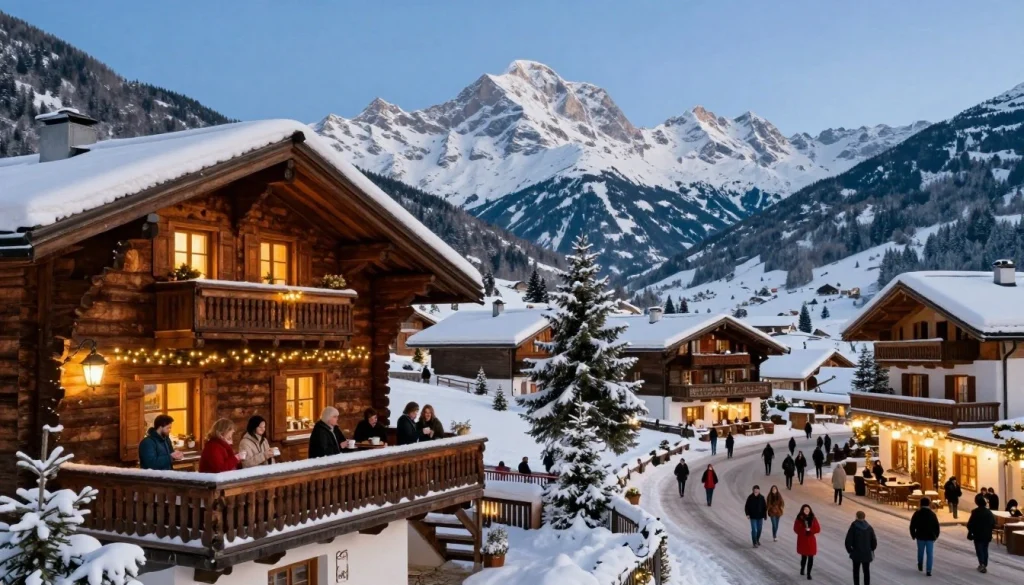
Choose the Dolomites for skiing, hiking and spectacular mountain views
For those seeking adventure, the Dolomites offer some of the most breathtaking scenery on the continent. This region is a top contender for skiing in Europe, providing vast networks of slopes that cater to all skill levels. Beyond the pistes, the snow-covered trails are perfect for winter hiking and snowshoeing.
- Val Gardena: Famous for its challenging runs and vibrant village life.
- Cortina d’Ampezzo: Known for its elegant atmosphere and stunning jagged peaks.
- Alta Badia: Excellent for families and those who enjoy gourmet mountain dining.
Enjoy regional winter dishes, Italian coffee and seasonal festivals
Italian cuisine is a highlight of any trip, but winter brings out the heartiest flavours. You can warm up with a rich bowl of polenta, slow-cooked stews, or fresh pasta dishes infused with seasonal truffles. A steaming cup of thick Italian hot chocolate or a robust espresso is the perfect way to start your morning.
The secret to a perfect Italian winter is embracing the local pace of life, where every meal is a celebration of regional tradition.
Combine a city break with the lakes or northern ski resorts
Italy allows you to craft a diverse itinerary that bridges the gap between urban exploration and alpine relaxation. You might spend a few days admiring the Renaissance art in Milan before heading north to the serene shores of Lake Como or the high-altitude resorts of the Alps.
| Region | Primary Activity | Winter Highlight |
| Central Italy | Cultural Sightseeing | Fewer crowds at museums |
| The Dolomites | Skiing in Europe | Spectacular mountain views |
| Northern Lakes | Relaxation | Peaceful lakeside scenery |
Whether you are chasing the snow or seeking a mild cultural retreat, Italy winter holidays provide an unforgettable experience. By choosing this destination, you ensure your trip is filled with world-class food, stunning landscapes, and the timeless charm of Italian hospitality.
Practical Planning Tips for a European Winter Holiday
Whether you are chasing snow or festive markets, a successful European winter holiday relies on smart planning. By considering the nuances of European winter weather and local travel patterns, you can transform a potentially challenging trip into a seamless adventure.
Choose the best month for snow, Christmas markets or lower prices
Timing is everything when visiting the continent. If you want to experience the magic of Christmas markets, aim for late November through December. For those seeking deep snow and winter sports, January and February often provide the most reliable conditions.
If you prefer lower prices and fewer crowds, consider travelling in late January or early March. These shoulder periods often offer better value for your accommodation and flights.
Pack insulated layers, waterproof footwear and cold-weather accessories
A comprehensive winter holiday packing list is essential for staying comfortable in the cold. Focus on the principle of layering, starting with thermal base layers, followed by a warm fleece or wool jumper, and finishing with a high-quality, windproof outer shell.
Do not forget to pack waterproof footwear with good grip, as icy pavements are common. Accessories like thermal gloves, a thick scarf, and a warm hat are non-negotiable for long days of sightseeing.
Book flights, trains, accommodation and popular activities early
Popular destinations often fill up months in advance, especially during the festive season. Securing your transport and lodging early ensures you get the best rates and availability. This is particularly important for high-speed trains and boutique hotels in historic city centres.
Check travel insurance, cancellation terms and winter driving requirements
Always verify that your travel insurance covers winter sports or potential weather-related delays. If you plan to rent a car, check the local laws regarding winter tyres and snow chains. Many regions have strict requirements that you must follow to avoid fines or accidents.
Plan daylight hours, weather disruptions and alternative indoor activities
In northern regions, daylight hours can be quite short, so plan your outdoor sightseeing for the middle of the day. Always have a backup plan for European winter city breaks, such as visiting world-class museums, art galleries, or cosy cafes when the weather turns sour.
Use public transport and regional passes to simplify travel
Europe boasts an extensive and efficient rail network that is perfect for winter travel. Using regional passes can save you money and simplify your journey between cities. Trains are often more reliable than driving during heavy snowfall, allowing you to relax and enjoy the scenery.
Build an itinerary that avoids rushing between distant destinations
Winter travel can be slower due to shorter days and potential transport delays. Focus on exploring one or two regions deeply rather than trying to cover too much ground. This approach allows for a more relaxed and enjoyable experience.
| Travel Goal | Best Time to Visit | Key Consideration |
| Christmas Markets | Late Nov – Dec | Book accommodation early |
| Skiing & Snow | Jan – Feb | Check resort snow reports |
| Budget Travel | Late Jan – March | Expect colder temperatures |
| Northern Lights | Nov – March | Clear, dark skies required |
Conclusion
Selecting the best european countries to visit in winter depends entirely on your personal travel style. You might crave the magical glow of a Lapland winter holiday or prefer the historic charm of festive city markets. Each destination offers a unique way to embrace the colder months.
Norway and Finland provide unmatched Arctic experiences for those seeking snow and northern lights. Austria and Switzerland remain top choices for mountain enthusiasts and skiers. Germany, Italy, and Iceland offer diverse cultural encounters and dramatic landscapes that shine during the quieter season.
Successful winter travel Europe requires careful attention to your specific needs. Consider your tolerance for limited daylight and your preferred pace of movement. Focus on one region to avoid the stress of long travel days in unpredictable weather.
Check your budget and transport options before you finalise your plans. Prioritise the activities that matter most to you. Your dream trip awaits in the snowy heart of the continent.
FAQ
Which European country is best for a first-time winter holiday?
It really depends on what you are looking for! If you want a classic festive experience, Germany and Austria are unbeatable for their Christmas markets. For those seeking Arctic adventure, Finland and Norway offer once-in-a-lifetime activities like husky safaris and dog sledding. If you prefer a mix of culture and milder weather, Italy provides a quieter way to see icons like Rome or Venice without the summer heat.
Where is the best place to see the Northern Lights?
To maximise your chances of spotting the Aurora Borealis, head north of the Arctic Circle. Tromsø in Norway, the Lofoten Islands, and Rovaniemi in Finnish Lapland are world-renowned hotspots. Iceland is also a fantastic choice, especially if you combine your search with a soak in the Blue Lagoon, though you should remain flexible as cloud cover can affect visibility.
How should I prepare for the limited daylight in Northern Europe?
In the deep winter, places like Norway and Finland experience very short days. It is best to schedule outdoor excursions, such as snowshoeing or visiting reindeer farms, during the midday hours. Use the long evenings to enjoy a traditional Finnish sauna, indulge in Austrian comfort food, or relax in a cosy cabin. Many travellers find the “Blue Hour”—a period of twilight—to be incredibly atmospheric for photography.
Is it better to travel by train or car during a European winter?
In Switzerland, the rail network is world-class; taking the Glacier Express is a stress-free way to see spectacular mountain views without worrying about winter driving requirements. However, if you are exploring the Icelandic countryside or Bavaria, a hire car offers more freedom. Just ensure you are comfortable with icy road conditions and always check local weather alerts before setting off.
What are the essential items for a winter holiday packing list?
The secret to staying warm is insulated layers. Pack high-quality thermal base layers, a waterproof jacket, and sturdy waterproof footwear with good grip for icy pavements. Don’t forget accessories like wool hats, gloves, and a heavy scarf. If you are heading to Switzerland or Austria for après-ski or a classical music concert in Vienna, you may also want to pack one or two smarter outfits.
Can I visit the Christmas markets in January?
Generally, most traditional markets in Germany—such as those in Nuremberg, Dresden, and Cologne—close just before Christmas Day. However, some markets in Berlin and Vienna stay open until the New Year or even the first week of January. If you are travelling later in the season, focus on winter sports in the Dolomites or Zermatt, where the snow is often at its best in February.
How can I manage the high costs of a trip to Switzerland or Norway?
Both Switzerland and Norway can be expensive, but careful planning helps. Consider purchasing a Swiss Travel Pass for unlimited rail journeys or booking self-catering cabins in Norway to save on dining out. Booking your flights and accommodation well in advance is essential, especially if you plan to stay in unique locations like a glass igloo in Lapland.
Are the Dolomites better for skiing than the Austrian Alps? Both offer incredible experiences, but they have different vibes. The Dolomites in Italy are famous for their dramatic scenery and sunny days, paired with incredible regional Italian cuisine. Austria is often seen as the heart of traditional skiing culture, with famous resorts near Innsbruck and Salzburg offering a lively après-ski scene and very snow-reliable slopes.