
Best Time to Visit the USA for Solo Female Travelers
Best Time to Visit the USA for solo female travelers: I share seasonal tips, safer destinations, and practical advice so you can plan with more confidence.

I choose travel dates by matching the season to the region and the kind of days I want, from long city walks to a quiet mountain escape. For solo female travelers, timing can shape comfort, costs, transport choices, and how easy it feels to adjust a plan on your own.
There is no single perfect date for a confident solo trip planning. Spring and fall can offer a useful balance in many places, but conditions vary widely across the country. I leave room for weather changes and check that the trip still sounds enjoyable if one outdoor plan has to move indoors.
Shoulder season is the period between a destination’s busiest travel months and its quieter off-season.
Table of Contents
Comfort and flexibility matter more than finding a magical nationwide calendar date. The next section compares the broad seasonal options so you can choose a useful starting point.
When Is the Best Time to Visit the USA?
Spring and fall are often useful starting points if you want a balance of outdoor time and manageable conditions, while summer and winter can fit more specific plans. These broad seasonal weather patterns are a guide, not a promise about what you will find in every state.
Spring and Summer Bring Longer Days
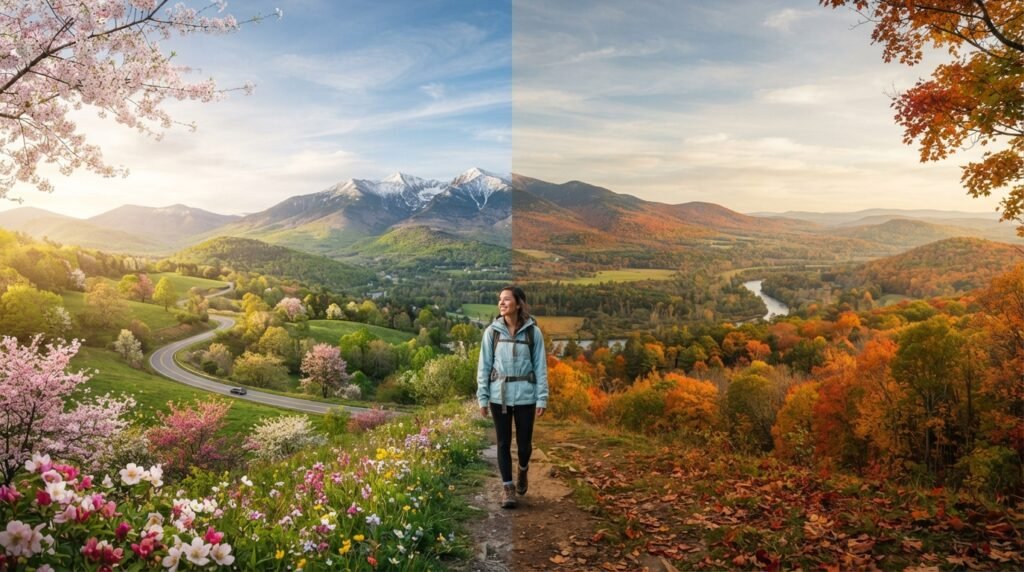
In the United States, spring is March through May, and summer is June through August. Longer daylight can make it easier to fit in a museum, a walk, and dinner without feeling rushed. Spring is appealing for city exploring and outdoor plans as the season shifts, while summer suits travelers who want full days outside or a broad road trip.
Long days do not mean easy days everywhere. Summer heat can make sightseeing tiring, especially if your route involves long stretches outdoors, and popular travel periods can bring heavier demand for rooms and transport. I plan a realistic pace, keep water handy, and avoid building a whole day around one exposed midday activity. Spring can also bring unsettled conditions, so I keep a flexible indoor option in mind.
Fall and Winter Offer a Different Pace
Fall is September through November, and winter is December through February. Cooler weather and seasonal scenery can make walking and scenic drives especially appealing. Winter can also suit a city break or a trip built around snow, but access and day-to-day comfort depend on the destination.
Check local conditions and operating schedules before you commit to an outdoor route. A cold snap, snow, or a seasonal closure can change what is practical, even when your dates look good on a calendar. Treat these season labels as broad patterns rather than a forecast for every state. Regional differences are the next piece to consider when narrowing your dates.
How Do Regional Climates Change Your Travel Window?
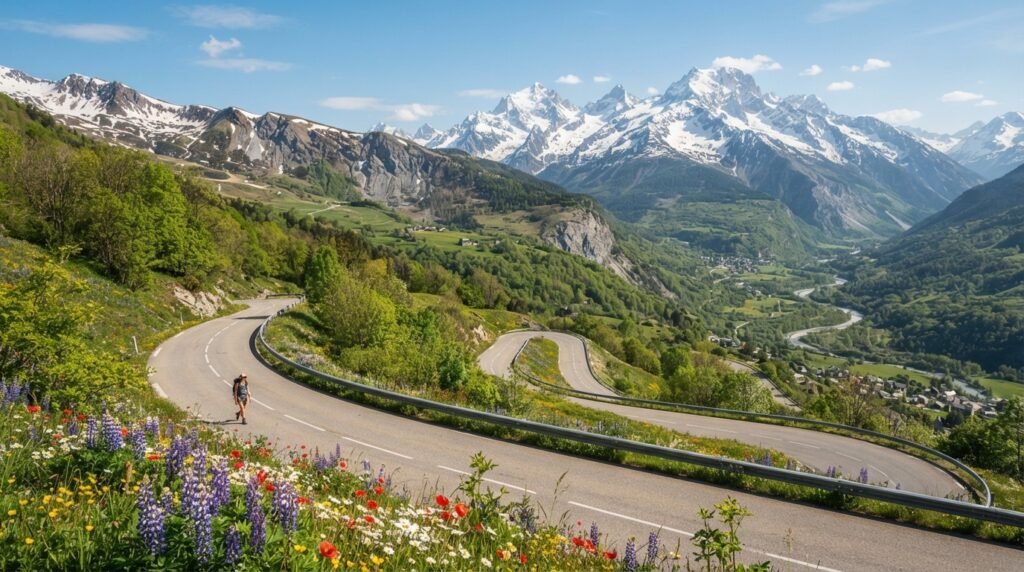
A spring visit to a northern mountain town may still involve snow or a closed high road, while a spring visit in the South may already feel warm and humid. Regional climate differences make a countrywide date rule unreliable; the same month can call for very different plans in different places.
Northern and Mountain Regions
In northern states and higher-elevation places, colder conditions can linger into spring, and snow may affect roads, trails, or local services. The Rockies, the Cascades, and parts of New England each include varied terrain, so conditions in one town do not guarantee conditions nearby. Elevation matters: a sunny afternoon in a lower city can coexist with snow at a mountain pass.
Southern and Coastal Regions
Warmth can arrive earlier in parts of the South, but heat and humidity may shape how much walking feels comfortable. Coastal plans can also be affected by storms or rough conditions. California’s coast, the Gulf Coast, and the Atlantic seaboard are not one uniform climate, either; local geography and weather patterns matter. For a multi-stop itinerary, I check each overnight location rather than relying on the first city’s forecast.
Before settling on dates, I check:
- Average conditions for the exact destination, not just the state.
- Elevation and the possibility of snow at higher points.
- Local road access and any seasonal closures.
- Daylight available for driving and outdoor plans.
- The forecast close to departure and a backup indoor plan.
Once you have a region in mind, you can look for dates that may be less busy or more affordable without assuming every destination follows the same pattern.
Could Shoulder Season Be the Right Fit for Your Trip?
Compare a popular summer weekend with dates just before or after it: the quieter dates may offer a better balance of availability and cost, depending on the destination. Shoulder season means the period between a destination’s busiest travel months and its quieter off-season.
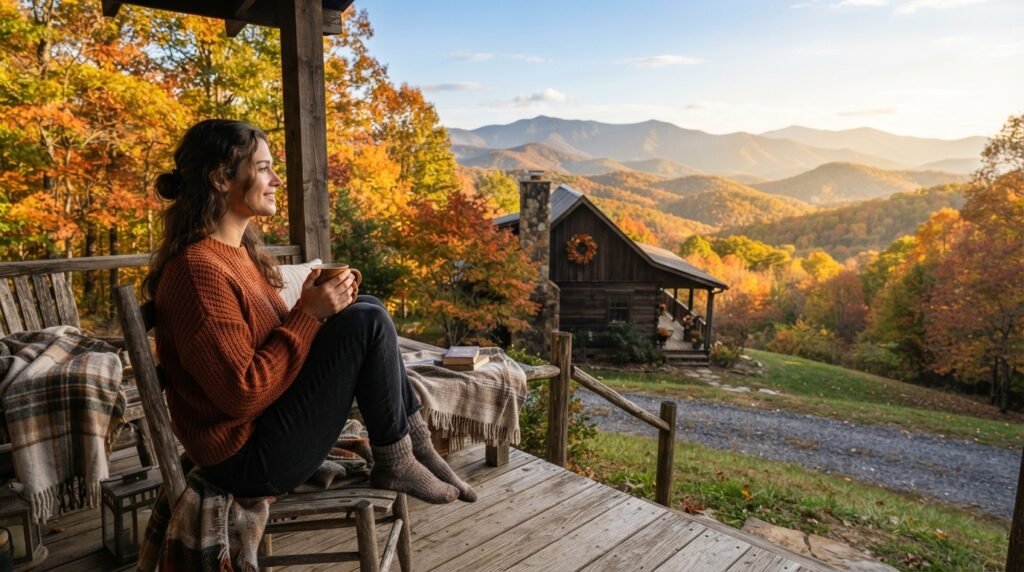
For a solo traveler, fewer visitors can make it easier to find a room that fits your plans, book a convenient departure, or enjoy a popular attraction at a less hectic pace. Shoulder season savings are possible, not guaranteed. A large event, a weekend, or a popular local festival can keep demand high even outside a destination’s busiest months.
Compare the full cost, not just the nightly room rate. Transport, lodging, and activities may change by date, and a cheaper room far from the places you want to visit could mean higher fares or more time spent getting around. I also check which tours, restaurants, and attractions are operating on my chosen dates.
Some destinations have poor weather or limited opening hours during shoulder season, so a lower price may come with fewer choices or a less comfortable day outdoors. That tradeoff can still be worthwhile if your plans are flexible. For national parks, the same date-by-date thinking matters because access and facilities can change with local conditions.
When Is National Park Access Easiest to Plan?
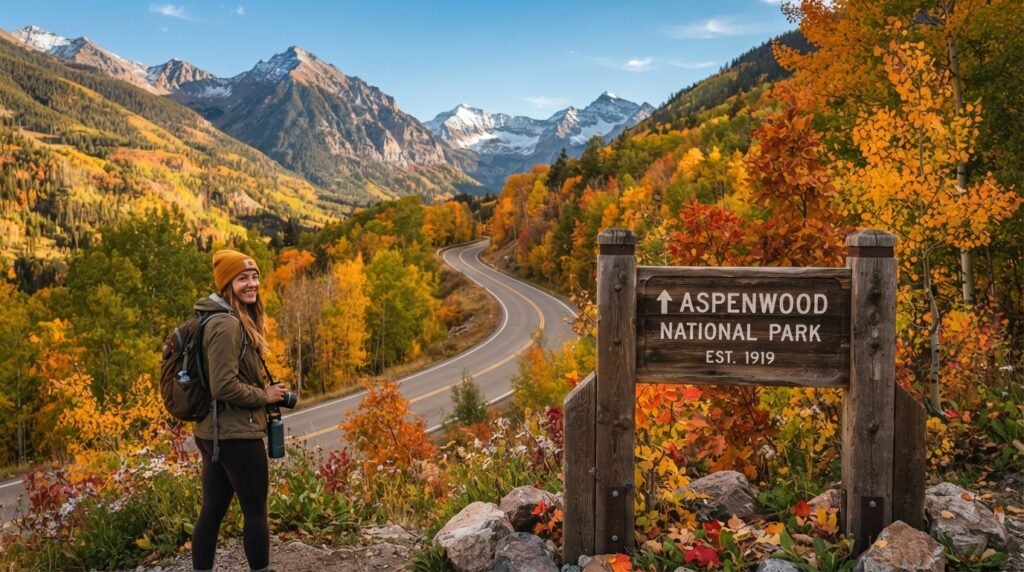
National park access changes with the season, elevation, and local conditions, so a park’s name alone does not tell you which roads or facilities will be open. I plan a park visit around the route and services available on my dates, not an assumption that every part operates year-round.
Check Seasonal Roads and Facilities
Snow and elevation can limit road and trail access, while weather and wildfire conditions can change conditions quickly. Seasonal operating schedules may also affect visitor services, campgrounds, shuttle routes, and nearby businesses. Before committing to a route, confirm current conditions for the specific roads and facilities you plan to use. A route that looks simple on a map can be a poor fit if a key road is closed or there is no service available nearby.
Build a little breathing room into the day. If a scenic road is closed, you may need extra time to reach another entrance or choose a different activity. I avoid making a tight connection depend on an outdoor route that could be affected by conditions.
Make a Solo-Friendly Park Plan
A solo-friendly park plan should make the practical details easy to manage. Arrive in daylight when possible, share your itinerary with someone you trust, and check transport options and cell-service limits before setting out. If a shuttle or tour is part of your plan, know when it runs and what you will do if you miss it. Keep an alternate activity or overnight option in mind rather than counting on every part of the day going exactly as planned.
When I travel alone, I want enough time to pause, check directions, and make a different choice without feeling pressured. Those small margins matter on a remote road. Some coastal trips also need another layer of planning for severe storms, so it helps to know how to respond to that disruption before booking.
How Should You Plan Around Hurricane Season?
Check National Weather Service alerts and local emergency guidance rather than treating hurricane season dates as a prediction for your trip. The Atlantic hurricane season runs from June 1 through November 30; the eastern Pacific hurricane season runs from May 15 through November 30. Risk varies by location and year.
Those dates describe a season, not the weather you will encounter on a particular day. If your itinerary includes a coastal area, I prefer changeable bookings when practical and keep an alternate route or place to stay in mind. Save essential documents and your backup itinerary somewhere you can access if a connection drops. Local emergency instructions take priority if conditions become unsafe.
My quick storm-planning checklist:
- Check National Weather Service alerts and local updates.
- Read cancellation terms before booking transport or lodging.
- Identify alternate transport and more than one route.
- Save local emergency contacts where you can find them offline.
- Keep essential documents and a backup itinerary accessible.
Planning for disruption is not a reason to rule out a coastal trip. It is a way to make decisions with more time and less guesswork. For travelers planning an autumn visit, the next date question is often when the fall colors will appear.
When Can You See Fall Foliage?
In many northern areas, fall color is often strongest from late September through October; in many southern areas, it tends to arrive later. Elevation and weather can shift the timing, so there is no fixed nationwide peak foliage calendar.
Local conditions shape when leaves change, and a higher-elevation stop may show color before a nearby lowland town. Peak foliage is difficult to predict far in advance. I leave flexibility across nearby locations or dates where I can, rather than expecting one particular overlook to be at its best on a precise day.
That flexibility can make the trip more satisfying. If one area is past peak, a different elevation or nearby route may still offer color. A popular viewing area can also be crowded even when the foliage forecast is uncertain, so build time for parking and slower roads into the day.
For a region-by-region look at fall scenery and trip ideas, explore these October autumn trips across the United States. The best dates for a colorful drive can overlap with busy weekends, which makes it worth thinking about crowds and availability as well as the leaves.
How Do Peak Travel Season and Holiday Crowds Affect a Solo Trip?
Arrive in a popular destination on a holiday weekend without a room or transport booked, and you may find fewer convenient options than the itinerary suggested. Peak travel season and holiday travel crowds can affect a solo trip’s cost, pace, and comfort, though crowd levels differ from place to place.
Busy Summer Travel Periods
Popular attractions can be in higher demand during busy summer travel periods. Essential transport and lodging are worth booking early if your dates or arrival times are fixed. That is especially useful when you are traveling alone and want a particular arrival window, a room near your planned activities, or a route with limited departures.
More visitors do not automatically make a trip less enjoyable, but they can mean longer waits and less room to change plans at the last minute. I leave a buffer between activities instead of stacking timed tickets with no space to adjust. A quieter-feeling neighborhood may also be a better base than staying beside the busiest attraction.
Major Holiday Travel Periods
Around major holiday periods, transport can be crowded, schedules may change, and convenient options can sell out. That can affect a flight, a train, local transit, or the opening hours of places you hoped to visit. Check schedules for your actual travel dates and keep an eye on return journeys as well as the trip out.
Crowds are not predictable across every city or attraction, and I would not promise that a certain date will be quiet. If busy terminals or packed public spaces make you uncomfortable, plan your arrival in daylight when possible and give yourself extra time to find the right platform or pickup point. Once dates look workable, you can focus on choosing places where the everyday logistics feel manageable solo.
How Can You Choose a Solo-Friendly Destination?
Look for a solo-friendly destination where getting around and changing plans feel manageable to you. Practical setup matters more than a blanket safety ranking: consider transport, lodging location, lighting, nearby services, connectivity, and how you would adjust if an activity falls through.
City trips such as Washington, D.C., New York City, or Chicago can offer transit, museums, food, and activities across different neighborhoods, but each city has varied local conditions. Check current guidance and choose an area that fits your itinerary and comfort level. Convenient public transit may be a plus, but check how you will get from the station to your lodging, especially when arriving late.
Before booking, I compare:
- Transport that connects your lodging with the places you plan to visit.
- A lodging area that suits your itinerary and arrival time.
- Well-lit routes and easy access to food and other services.
- Reliable connectivity and a way to navigate if service drops.
- Backup activities close enough to reach comfortably.
No destination is universally safe, and solo female travel safety depends on both local conditions and your own comfort with the route. I also like having a low-effort option near my lodging for a tired evening, instead of needing to cross town for every meal. With a few suitable places in mind, seasonal costs can help you decide which dates are realistic.
How Can You Plan a Realistic Seasonal Travel Budget?
Two trips to the same destination can cost different amounts because they fall on different dates, even if the itinerary is nearly identical. Travel budget planning starts with comparing actual dates and the costs that change with demand, rather than assuming one season always brings a bargain.
Compare the Costs That Change by Season
Lodging demand, transport, car rental, seasonal activities, and local event dates can all shift the total. A weekend event may fill nearby rooms, while an activity you hoped to book may run only at certain times of year. Compare the full route: a cheaper flight can be less convenient if it arrives late or leaves you with a costly transfer. Prices and availability change, and final charges and booking terms are set by travel providers.
For a wider look at a trip across seasons, compare more than the headline fare. Include local transport and the costs of reaching the activities you care about. A low room rate can be a false economy if it adds lengthy or uncomfortable journeys to each day.
Build Flexibility Into Your Spending Plan
Set a daily spending limit that covers food, local transport, and planned activities, then keep a contingency fund for a delay or an unplanned overnight stay. Compare refundable options with cheaper bookings that have restrictions. I prioritize a practical arrival time and a lodging location that feels comfortable over the lowest available price. Before paying, read fees, cancellation rules, and the provider’s terms; Travelmova’s travel information and pricing disclaimer is also worth reviewing.
My budget checks before booking:
- Compare total lodging costs across the dates you are considering.
- Price transport, transfers, and car rental for the full itinerary.
- Check activity availability and local event dates.
- Set a daily limit and keep a separate contingency fund.
- Compare cancellation terms with the cost of flexibility.
Once the dates and spending plan make sense, you can pack for the conditions without bringing an outfit for every climate in the country.
What Should You Pack for Changing Seasonal Weather?
I would rather bring a light layer and a rain shell than rely on one heavy outfit that only works in one kind of weather. Seasonal packing works best when you check the forecast close to departure, then choose adaptable pieces for the conditions you are likely to meet.
Comfortable walking shoes, rain protection, sun protection, personal medications, and essential documents are useful starting points. A checked forecast can help you choose, but it cannot guarantee the weather will hold. For a multi-region trip, make more than one clothing plan: what feels comfortable in a mild city may not be right for a higher or colder stop.
I keep the packing list short enough to manage on my own:
- Adaptable layers: a light base layer and one warmer piece.
- Weather protection: a rain shell and sun protection suited to the itinerary.
- Walking gear: comfortable shoes that are already broken in.
- Essentials: personal medications and key documents.
If the forecast shifts, a couple of versatile layers are easier to adjust than a suitcase full of single-purpose outfits. Pack documents and medication where you can reach them, not buried beneath everything else. That kind of flexibility also helps when weather or transport disrupts the itinerary, because a calm backup plan is easier to use when you are prepared to wait or reroute.
How Can You Stay Confident When Plans Change?
A weather delay can turn a planned travel day into an unexpected night in town. Solo travel safety comes from preparing for that possibility, not from expecting every leg to go smoothly, and itinerary flexibility gives you more room to make a clear decision.
I save the details I would need if my phone connection failed, tell someone I trust where I am headed, and keep a backup power source charged. Before traveling onward, I reassess local conditions and follow emergency instructions if the situation becomes unsafe.
My disruption routine is simple:
- Save offline copies of reservations and key addresses.
- Share the current itinerary with someone you trust.
- Keep your phone charged and carry backup power.
- Know how to reach local help and follow local emergency instructions.
- Reassess conditions before setting out on the next leg.
If a delay changes your route, contact transport and lodging providers once you know what you need, and use your saved details to compare options. I find that a plan with room to pause feels more manageable than an itinerary that treats every connection as essential. The final date decision is simply choosing the season and region that fit your comfort and priorities.
Conclusion
My warmest advice is to choose the trip date that fits your plans and comfort, not a supposed perfect day for the whole country. The right timing depends on the region, the kind of experience you want, and how much flexibility you can build into your itinerary.
You do not need every detail settled before you start. Pick a place that interests you, then look closely at the conditions that could shape the days you want to spend there. A little room to adjust can make independent travel feel more enjoyable and less pressured.
Choose a region and a preferred season, then check its current conditions and transport before booking.