
Solo Female Travel in Australia: A Simple Guide for Women Traveling Alone
Solo Female Travel in Australia: I’ll share safety tips, easy planning advice, and routes for exploring beaches, cities, and wild places with confidence.
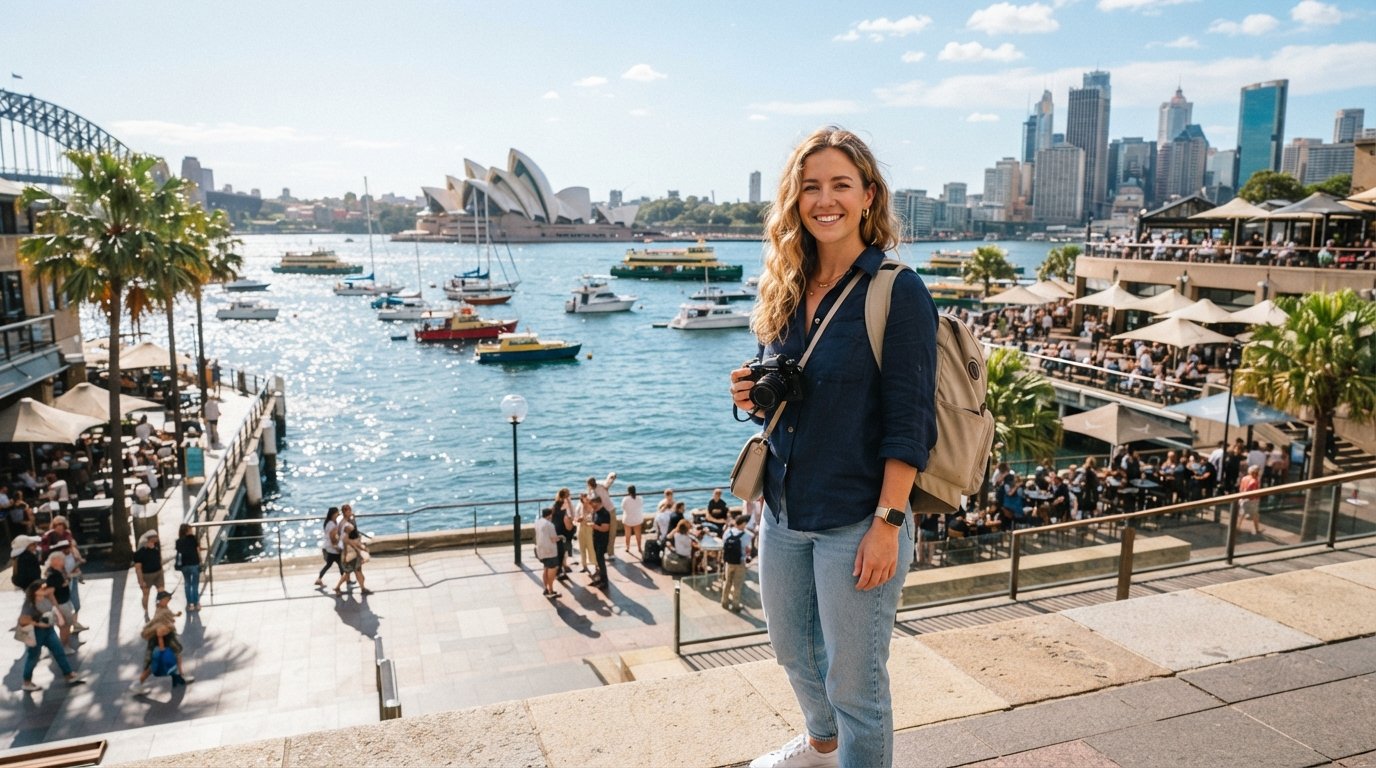
I love the freedom of setting my own pace: linger over a coffee, change direction for a beach walk, or call it an early night without negotiating the plan. Solo Female Travel in Australia can offer that kind of room to choose, with city neighborhoods, bright beaches, and wild landscapes all part of the picture. For first-time visitors, the variety is exciting, and it helps to pair that excitement with a realistic plan.
Australia is vast, and conditions can change between regions and seasons. Distances deserve attention, and no destination is risk-free, but sensible preparation can make independent travel feel more manageable. I’ll share practical ways to choose a route, plan your days, and handle common travel questions without expecting you to do everything at once. Start by asking what makes Australia appealing to you, then build from there.
Table of Contents
Why Choose Solo Female Travel in Australia?
Australia can work well for a first solo trip when your itinerary matches your confidence and available time. English is widely used, major destinations have familiar travel infrastructure, and you can combine city life, coast, and nature without needing to share every decision with a travel companion.
For broader inspiration as you shape your plans, browse travel ideas from around the world and notice which kinds of places make you want to go.
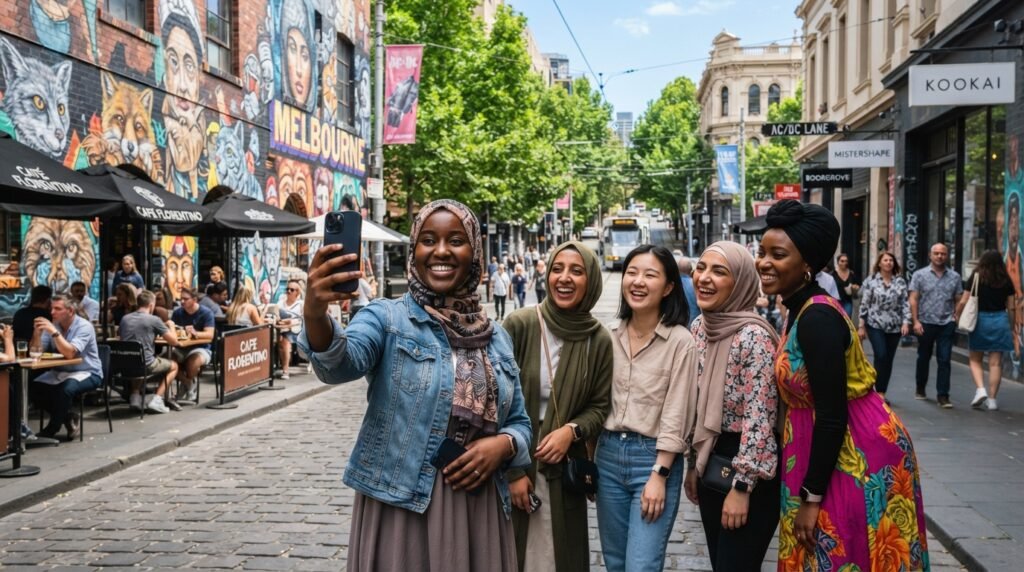
Why solo female travel in Australia is popular
Many travelers appreciate being able to navigate in English, find established visitor services in larger destinations, and choose from a wide mix of experiences. You might spend a morning in a gallery, take a coastal walk in the afternoon, then eat dinner in a lively neighborhood. Nature can also be part of the trip, from a day outdoors to a longer excursion with a guide.
That variety makes it easier to shape a trip around your interests instead of following someone else’s checklist. If you want ideas beyond the familiar city stops, Australia also has reef, desert, and island landscapes. The tradeoff is scale: a place that looks close on a map may still take meaningful time and planning to reach.
Is Australia good for a first solo trip?
Yes, Australia can suit first-time visitors who prefer to make independent decisions but want a well-traveled starting point. Ease depends on distance, budget, and how comfortable you feel changing plans or spending time on your own. A first trip does not need to prove anything. Starting with one well-connected city and adding a short, planned excursion can feel more rewarding than attempting to cross the country.
That approach also gives you space to learn what kind of solo travel feels right: busy days with organized outings, quiet time at your own pace, or a mix. Confidence usually grows through manageable choices, not by packing the itinerary until there is no room to pause. Once you have a sense of the trip you want, the practical question is how to stay safe along the way.
Is Solo Female Travel in Australia Safe?
Many women travel around Australia safely, while everyday awareness and local conditions still matter. The risks are not the same everywhere: a busy nightlife district, a remote road, and an unfamiliar beach each call for different decisions.
Solo female travel in Australia safety tips
These small habits help keep plans clear without turning every day into a safety exercise:
- Share your plans with someone you trust and check in at an agreed time, especially before a longer outing.
- Keep a charged phone with emergency contacts accessible, and know how to reach help if your phone is unavailable.
- Use well-lit, populated routes at night, and arrange a safe ride if you are unsure about the walk or journey back.
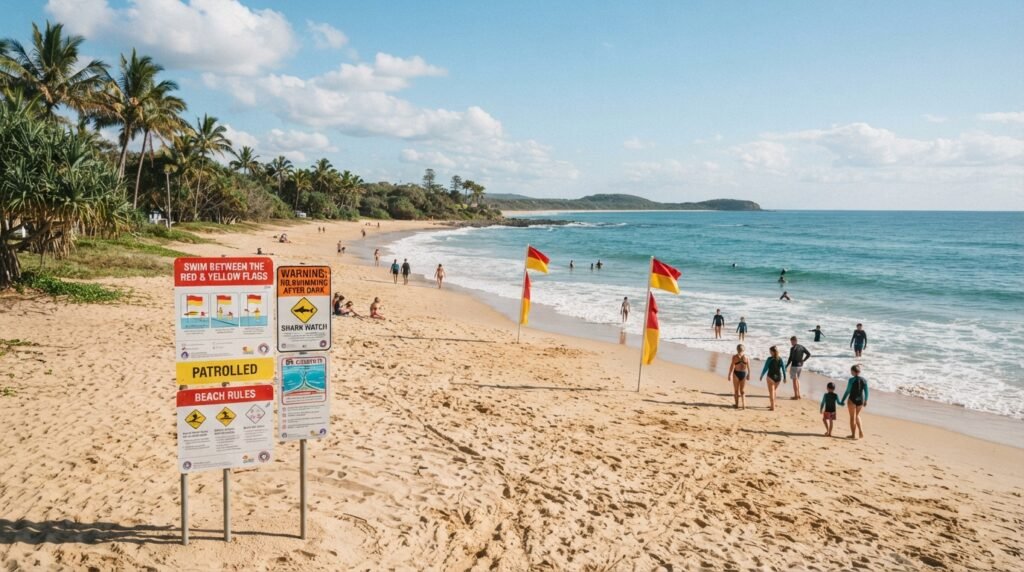
- Follow beach flags and local warnings, even when the water looks calm or other visitors are swimming elsewhere.
In Australia, call 000 for police, fire, or ambulance emergencies. At many beaches, red and yellow flags mark a patrolled swimming area, so choose that zone and follow lifeguard instructions.
Places and situations to be more careful
Remote areas, nightlife, unfamiliar water, and long drives call for extra care, not automatic avoidance. For a long drive, consider the distance, daylight, road conditions, and where you can stop before setting out. Around nightlife, keep a clear plan for getting back and trust your judgment if a situation feels uncomfortable.
A rip current is a narrow, powerful channel of water moving away from shore that can carry swimmers out from the beach. If caught in one, float, signal for help, and do not try to swim directly against it. Australian coastal safety depends on local conditions, so beach signs and lifeguards matter more than assumptions based on a familiar-looking shoreline.
The precautions that make sense depend partly on where you go, so choosing destinations is a useful next step.
Best Places for Solo Female Travel in Australia
Start by deciding whether you want city energy, beach time, or a nature-focused base. Sydney and Melbourne offer distinct urban experiences, while Brisbane, Cairns, and the Gold Coast make different kinds of warm-weather trips possible.
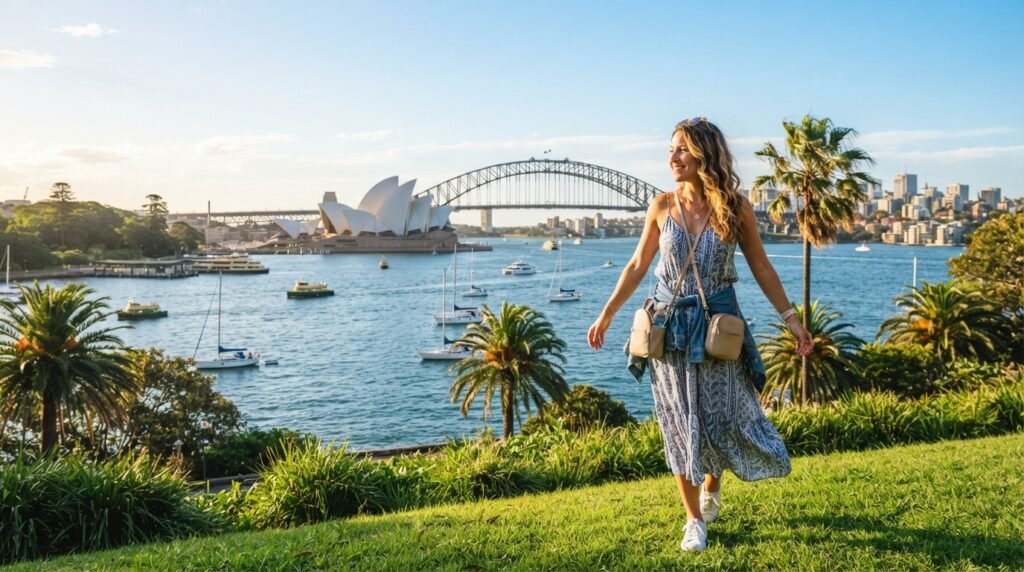
Sydney and Melbourne for solo female travel
Sydney pairs a busy city scale with its harbor and beaches. It can suit a traveler who wants a substantial urban base and the option to spend time by the water. Melbourne is known for its neighborhoods, arts, and café culture, making it a good fit if you like exploring local streets, browsing creative spaces, and building a day around food and culture.
Both cities can be appealing first stops, but the right choice depends on what you enjoy doing when you have a free afternoon. Sydney’s urban spread may make your choice of neighborhood important to how a day feels. Melbourne’s appeal often lies in moving between distinct local areas. For a broad overview of places and pre-trip considerations, see this Australia destination overview.
Brisbane, Cairns and the Gold Coast
Brisbane is a warm-weather city base, with an urban feel and access to outings in the surrounding region. Cairns is a gateway for tropical and reef-area trips. The Gold Coast combines beaches with entertainment, so it may suit you if you want time by the water alongside lively visitor attractions.
Reef and nature trips can be memorable, but conditions and the operator’s guidance matter. A reef outing is not automatically the right fit for every traveler: check what the day involves, how weather or water conditions may affect it, and whether the activity matches your comfort and ability. Season also shapes the experience, so the best destination depends on when you go as well as what you want to do.
Rather than trying to put every name on your map, narrow it to a few stops. Then decide how much time and travel effort you can give each one.
How to Plan Solo Female Travel in Australia
For a two-week trip, staying within one region can leave more time to enjoy the places you came to see than racing between distant coasts and cities. Australia is a large country, so crossing between far-apart regions can take substantial time and may require a flight.
How long to spend in Australia
Two to three weeks can suit a focused regional itinerary, though it is a planning rule of thumb, not a requirement. Trying to cover distant coasts and cities generally calls for more time. A short flight can look simple on a map, yet the whole journey also involves getting to the airport, checking in, and reaching your next base. Do not treat a short flight distance as proof that the trip between places will be quick.
Check Australian seasons before locking in outdoor travel. They are opposite to those in the United States: summer is December through February, fall is March through May, winter is June through August, and spring is September through November. Regional weather and conditions can still vary, so think about your planned activities as well as the season name.
How to get around Australia alone
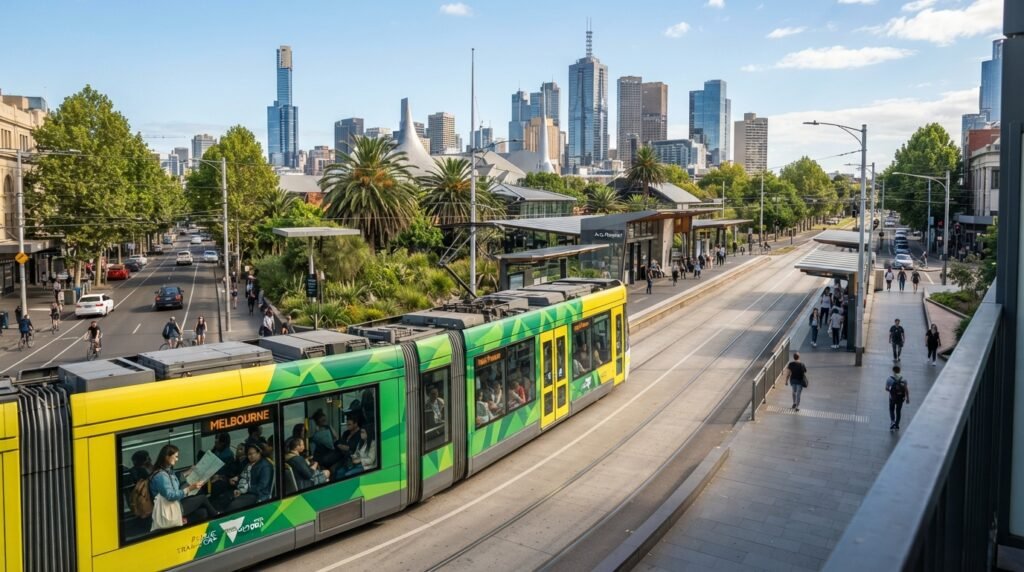
Australian domestic transport includes several options, and each suits a different trip. Flights can save time between distant regions, while intercity coaches can serve routes without a rental car. Trains operate on selected corridors, so they are useful for some connections rather than a way to reach everywhere. Local transit can make city travel straightforward. A rental car adds flexibility for stops beyond major routes, but driving makes the traveler responsible for the full route and its conditions.
Plan ahead when a connection matters to a fixed activity or arrival time. A route that looks direct may involve a transfer or a long stretch between services. Short, regional plans can keep those logistics manageable; for example:
- Sydney and Melbourne: focus on two major city stays.
- Brisbane and the Gold Coast: pair a city base with beach time.
- Cairns and nearby tropical attractions: stay in one region for outings.
Once the route is realistic, you can choose activities that suit your pace and comfort.
Best Things to Do on Solo Female Travel in Australia
A day alone can be full and memorable without a companion. You can set the pace, pause when something catches your eye, and leave space for a quiet stretch when that is what you need.
Nature, beaches and outdoor activities
Australian beaches invite long walks and time at coastal viewpoints, even if you would rather not swim. In cities, museums, markets, and gardens make satisfying solo outings with plenty to notice at your own speed. Choose day hikes that match your fitness and experience, and check the route and conditions before you set out.
Guided reef or wildlife outings may be available in some destinations. The Great Barrier Reef draws visitors to tropical waters, while other nature trips can bring you closer to local landscapes and wildlife. Weather, water conditions, and fitness can change what is sensible on a given day. Treat an outing as a chance to enjoy a place, not an obligation to say yes to every activity on offer.
Tours and activities for meeting other travelers
Small-group day tours, walking tours, and classes can create low-pressure opportunities to meet other travelers. Sharing a guided walk or learning something new gives conversation a natural starting point, without requiring you to keep socializing afterward. A tour can also take the planning out of one part of the day, which is useful when you would rather focus on the experience.
Still, a tour is not a safety guarantee. Before booking, check the itinerary, the exact meeting point, cancellation terms, and the operator’s instructions. Make sure you understand what is included and what you need to bring, especially for an outdoor activity. If a group tour is not your style, independent time is just as valid. A beach walk followed by lunch alone can be a complete day, not a gap waiting to be filled.
Choosing a comfortable base makes outings easier to organize, which brings the next decision to where you stay.
Where to Stay During Solo Female Travel in Australia
A social hostel can suit a short city visit when you want shared spaces and easy chances to chat, while a private room can offer a quieter reset. The best choice depends on how much privacy, shared facility use, and company you want during this trip.
Best accommodation options for solo women
A hostel is the standard term for budget accommodation with shared rooms and often shared facilities. It can make socializing easier, though a shared room gives you less privacy. Private rooms in hostels offer more personal space while keeping shared facilities and common areas nearby. Hotels generally give you a private room and more separation from other guests. Short-term rentals can provide a home-like setup, with the details and level of service varying by property.
Before booking, read recent property details directly so you know what room type and facilities are included. Do not assume a listing’s photos answer practical questions about entry, access, or arrival. A private room may suit a light sleeper; a hostel dorm may be a better fit if meeting fellow travelers is part of the experience you want.
How to choose a safe location
Check the block around the property, not only the room. This location checklist can help you compare places:
- Nearby transit that fits the places you plan to visit.
- A practical walk to food or everyday essentials.
- Clear instructions for arriving late.
- Secure entry with straightforward access for guests.
- A usable route back after dark.
The cheapest bed can cost you time and added transport expense if it is far from your planned stops. A place that looks like a bargain may mean longer journeys at the start and end of each day, so compare the location as part of the stay rather than treating the nightly rate as the whole decision.
Where you sleep, and how close it is to your plans, will shape the overall trip budget.
How Much Does Solo Female Travel in Australia Cost?
The cost depends most on how far you move, where you sleep, and which activities you book. As a broad AUD travel budget estimate, a budget-conscious traveler may spend about AUD 100-200 per day, while a more comfortable midrange trip may run about AUD 200-350 per day.
Daily budget for solo female travel in Australia
Those ranges are planning estimates, not fixed prices, and they do not include airfare to Australia. Australia travel costs shift with the city, season, room type, and paid excursions. Long-distance transport, car hire, expensive tours, and peak-season lodging can push totals higher. A simpler room choice, fewer long jumps, and more free activities can bring a trip closer to the lower end.
It helps to sketch the trip by category rather than trying to apply one daily figure everywhere. A day built around a free walk and a grocery meal will not cost the same as a paid excursion and restaurant dinner. Keep a little room in the plan for the days when a transfer or activity costs more than expected.
Ways to save money while traveling alone
Book only the most time-sensitive essentials early, then leave other choices open when your route allows. Use public transit where practical. Compare a grocery breakfast with a café meal, and balance free outdoor activities with paid tours that matter to you. Those small choices can make budget travel feel flexible instead of restrictive.
A common budgeting mistake is counting accommodation and meals but forgetting intercity transport and activity transfers. The transfer to a tour meeting point, for example, can add a cost that is easy to overlook when comparing tour prices. Look at the full day or journey, not only the main ticket, before deciding what fits.
Once you have a spending plan, you can prepare what to bring and decide how you will handle an unexpected setback.
Essential Tips for Solo Female Travel in Australia
A city break, a tropical excursion, and a cool-season coastal visit call for different clothing and gear. A useful Australia packing list starts with your specific route and activities, not the idea that the whole country has one climate.
What to pack for solo female travel in Australia
Australian summer falls from December through February and winter from June through August, but temperatures and conditions vary widely between regions. Pack for the places you plan to visit and the activities you expect to do. Sun protection matters even when the day does not feel especially hot. Use broad-spectrum, water-resistant SPF 30 or higher sunscreen, and reapply at least every two hours and after swimming or sweating.
These five basics can help you start a trip-specific packing list:
- Sun protection, including broad-spectrum, water-resistant SPF 30 or higher sunscreen.
- Comfortable walking shoes suited to your planned outings.
- A light layer and weather-appropriate clothing for your route.
- A reusable water bottle.
- A small day bag for valuables and essentials.
Travel insurance and emergency preparation
Choose travel insurance that suits the activities on your itinerary. Adventure activities may have specific insurance exclusions, so check the policy wording before booking anything that involves extra risk or special conditions. Do not assume a general policy covers every outing simply because it is part of a vacation.
Keep policy details, copies of key documents, and an emergency contact somewhere you can access them. Save essential reservations for offline use, too, so a weak connection does not leave you searching for an address or confirmation. A simple plan does not need a folder full of paperwork: it needs the key details to be findable when you are tired, delayed, or without reliable data.
If you want more practical planning resources, Travelmova’s travel-planning guides and checklists cover topics such as insurance and budgeting. Preparation is about making decisions easier, not eliminating every surprise, and that is a good place to start building confidence.
Final Tips for Solo Female Travel in Australia
Start with an Australia itinerary that feels exciting and manageable, not one designed to cover every highlight. Leaving room to enjoy each stop often makes independent travel more satisfying than racing from one place to the next.
Trust practical preparation over pressure to do everything. You do not need to wait until you feel fearless; a clear first step can be enough. Choose your first base, then check your travel dates against seasonal conditions before looking at the rest of the route. That small decision turns an idea into a plan. For more help shaping a trip around your needs, explore Travelmova’s travel-planning resources.
The FAQs below offer quick answers to common questions before you make arrangements.