
The Ultimate 10-Day Japan Itinerary
Planning a trip to Japan can feel overwhelming the country…
Planning a trip to Japan can feel overwhelming the country packs centuries of tradition, futuristic cities, and unforgettable food into a relatively small footprint, but figuring out how to sequence it all in just 10 days takes some strategy. This itinerary balances Japan’s three most popular regions (Tokyo, Kyoto, and Osaka) with enough breathing room to actually enjoy each stop, rather than sprinting between bullet trains.
Below is a day-by-day framework covering where to go, how to get around, and what to prioritize whether you’re visiting Japan for the first time or refining a return trip.
How to Plan Your 10-Day Japan Itinerary
Before diving into daily stops, it helps to understand the logistics that shape any Japan trip: how the days are typically split between cities, and how you’ll move between them.
Choosing the Right Route: Tokyo to Kyoto to Osaka
The most common and efficient 10-day route runs Tokyo → Kyoto → Osaka (or the reverse), since all three sit along the Tokaido Shinkansen line. A well-balanced split looks like:
- Days 1–4: Tokyo (arrival, jet lag buffer, city exploration)
- Days 5–7: Kyoto (temples, day trip to Nara or Osaka)
- Days 8–10: Osaka (food, Osaka Castle, departure or Kansai side trips)
This route minimizes backtracking and lets you experience Japan’s contrast between ultra-modern Tokyo and historic Kyoto without excessive travel time.
Getting Around: JR Pass vs. Individual Tickets
Japan’s rail system is fast and reliable, but whether the Japan Rail Pass makes sense depends on your itinerary. As of recent pricing changes, the JR Pass is best suited for travelers taking multiple long-distance shinkansen (bullet train) trips a single Tokyo-Kyoto-Osaka loop with a few side trips often justifies the cost, but a Tokyo-only trip usually doesn’t. Compare the pass price against individual reserved-seat tickets for your specific route before purchasing, and reserve seats in advance during peak seasons like cherry blossom (late March–early April) and autumn foliage (November).
Days 1–4: Tokyo Modern Japan First
Tokyo is the natural starting point for most international flights and offers an easy introduction to Japanese customs, food, and transit before heading to quieter, more traditional regions.
Must-See Tokyo Neighborhoods and Landmarks
Spread your four days across Tokyo’s distinct districts rather than trying to see everything in one: Shibuya and Shinjuku for neon-lit energy and the famous scramble crossing; Asakusa for Senso-ji Temple and old-town atmosphere; Harajuku and Omotesando for fashion and street food; and Akihabara for anime, gaming, and electronics culture. A half-day trip to teamLab Planets or teamLab Borderless is also worth building into the schedule for an immersive digital art experience.
Day Trips From Tokyo Worth Considering
If you have flexibility, consider swapping one Tokyo day for a trip to Nikko (elaborate shrines and mountain scenery) or Hakone (hot springs and Mt. Fuji views via the Hakone Ropeway). Both are reachable within about two hours by train, making them feasible as a single-day excursion without needing to change hotels.
Days 5–7: Kyoto — Temples, Gardens, and Tradition
A roughly two-hour bullet train ride from Tokyo, Kyoto offers the historic counterpoint to Tokyo’s modernity, with thousands of temples, shrines, and preserved geisha districts.
Top Kyoto Temples and Historic Districts
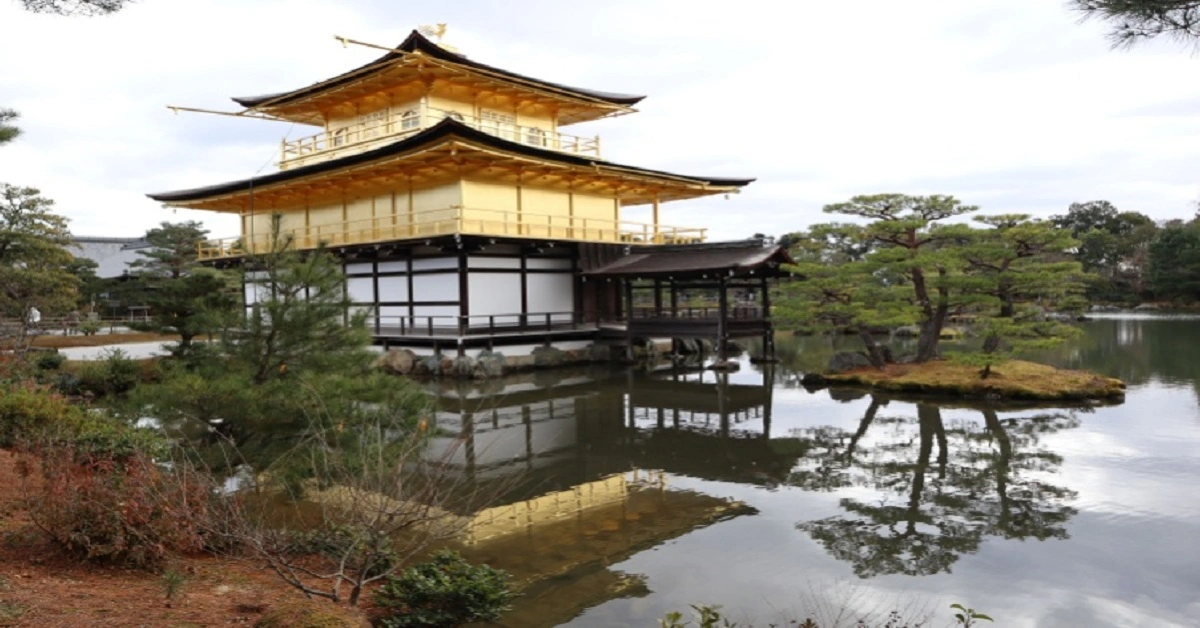
Prioritize Fushimi Inari Shrine (the iconic thousands of red torii gates), Kinkaku-ji (the Golden Pavilion), and the Arashiyama Bamboo Grove. Set aside time to walk through the Gion and Higashiyama districts in the early morning or evening, when the traditional wooden streets are quieter and better for photos.
A Day Trip to Nara or Osaka
Nara, about 45 minutes from Kyoto, is an easy half-day or full-day trip to see free-roaming deer and Todai-ji Temple’s massive bronze Buddha. Alternatively, if you’re not ending your trip in Osaka, a day trip there for street food in Dotonbori and a visit to Osaka Castle works well from a Kyoto base.
Days 8–10: Osaka — Food, Castles, and Departure
Osaka closes out the itinerary with a livelier, food-focused energy and convenient access to Kansai International Airport for departure.
Osaka’s Best Food and Street Markets
Osaka is widely considered Japan’s food capital, and Dotonbori is the epicenter — try takoyaki (octopus balls), okonomiyaki (savory pancakes), and kushikatsu (fried skewers) from the street stalls lining the canal. Kuromon Ichiba Market is another strong stop for fresh seafood and quick bites in a more market-style setting.
Osaka Castle and Nearby Attractions
Osaka Castle’s grounds and surrounding park are worth a half-day, particularly if visiting during cherry blossom season. From here, Universal Studios Japan is a popular add-on if traveling with family or theme park enthusiasts, though it typically requires a dedicated full day.